
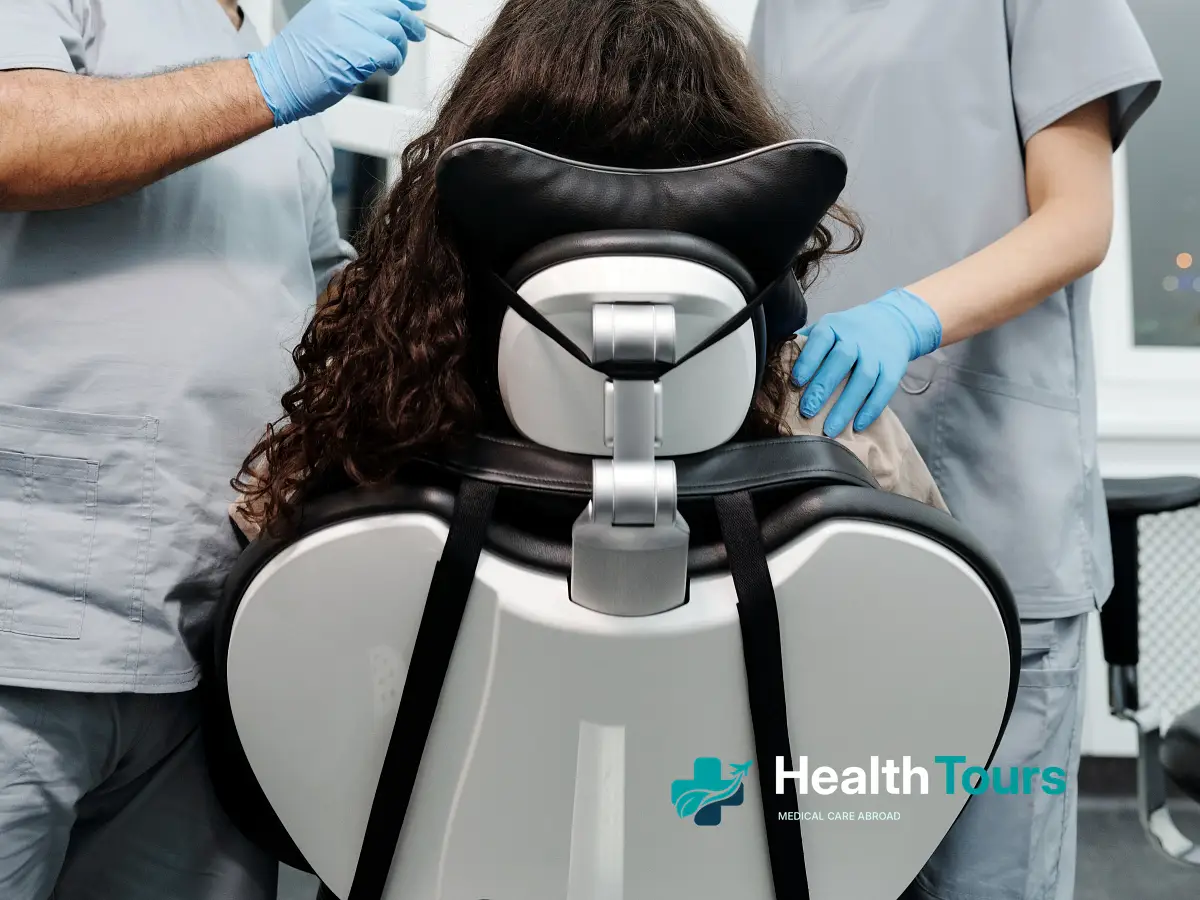
Dominican Republic / Santo Domingo
Hair transplantation in Santo Domingo, Dominican Republic
Speak with our team about treatment in Santo Domingo.
Hair transplantation in Santo Domingo is a surgical procedure relocating hair follicles from donor scalp areas to regions affected by hair loss. Suitable candidates have stable hair loss with adequate donor hair and no active scalp diseases that impair follicle survival. The main methods used are Follicular Unit Extraction (FUE) and Follicular Unit Transplantation (FUT). Treatment involves assessment, harvesting, graft placement, and follow-up care, with realistic expectations and awareness of possible risks. Patients seeking treatment can request a detailed, itemized quotation from Health Tours to understand specific cost components.
Discuss your treatment options →
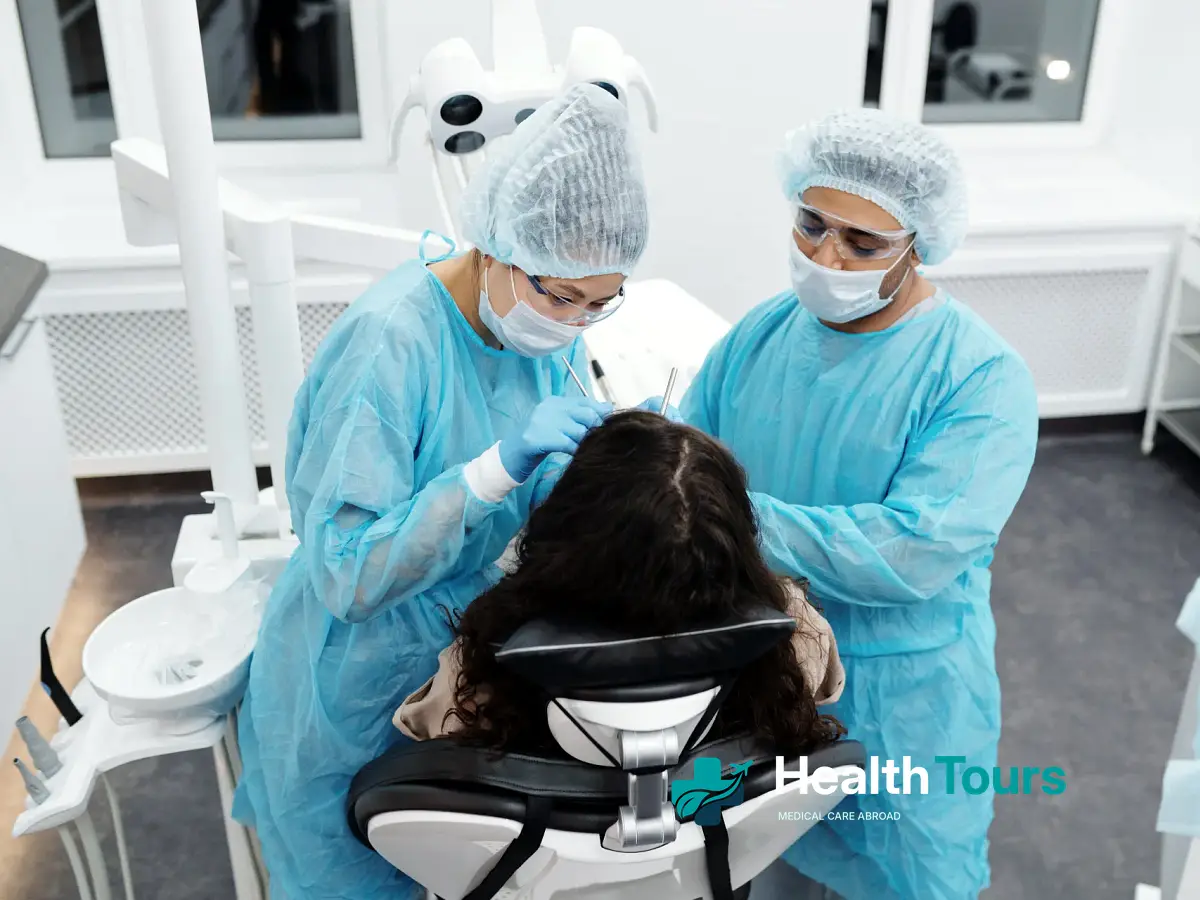


Hair transplantation in Santo Domingo, Dominican Republic, is a surgical technique that moves healthy hair follicles from donor sites — usually the back or sides of the scalp — to areas affected by hair loss. This method suits adults exhibiting stable, patterned hair loss with sufficient donor hair availability. not all hair loss types are ideal for transplantation; conditions such as diffuse unpatterned alopecia (DUPA), active scarring alopecias (like lichen planopilaris or frontal fibrosing alopecia), or active alopecia areata often contraindicate this surgery because the donor follicles themselves may be compromised or the disease active.
Before proceeding, a thorough clinical consultation is required to evaluate the pattern and stability of hair loss, assess donor area quality, and understand patient expectations. Unrealistic expectations, such as expecting complete hair restoration, may disqualify candidates. Patients with certain psychiatric disorders, including body dysmorphic disorder or trichotillomania, need mental health stabilization prior to surgery.
What to Expect During Hair Transplantation
The transplantation process includes several defined stages:
- Consultation: Detailed evaluation of hair loss extent and donor site availability, including scalp examination and discussion of realistic outcomes.
- Preparation: Hair trimming, scalp cleaning, and administration of local anesthesia to numb donor and recipient areas.
- Harvesting: Follicular units are removed either individually using the Follicular Unit Extraction (FUE) technique, or via the Follicular Unit Transplantation (FUT) method which involves excising a strip of scalp for dissection into grafts.
- Grafting: Micro incisions are made in the recipient site, and follicles are carefully implanted to mimic natural hair growth patterns.
- Postoperative care: Instructions on scalp hygiene, use of prescribed medications (such as antibiotics and anti-inflammatory drugs), and activity limitations are provided.
Hair Transplantation Cost Considerations in Santo Domingo
Published rates for hair transplantation vary according to several treatment-specific factors, such as the number of follicular grafts required, the chosen technique (FUE typically entails more labor and time than FUT), surgeon expertise, and clinic facilities. Additional costs may include preoperative assessments, local anesthesia, medications, and postoperative follow-up visits. Since the procedure is personalized, patients should request a detailed and itemized quotation that specifies what is included or excluded, enabling clear comparison and budgeting.
Health Tours can facilitate contact with clinics in Santo Domingo to obtain up-to-date, written treatment proposals reflecting your specific clinical needs and preferences.
Recovery and Aftercare
Post-surgical recovery involves some typical temporary effects such as scalp tenderness, mild swelling, scabbing, and occasional shedding of transplanted hair (shock loss). Patients should avoid strenuous activities, direct sun exposure, and any scalp trauma for a recommended period, which may vary by surgeon. Follow-up visits monitor healing and graft survival, commonly scheduled weeks to months after surgery. Full hair growth results may take several months, and complete restoration is not guaranteed.
Risks and Alternative Options
As with any surgical intervention, hair transplantation carries risks including infection, bleeding, scarring (with FUT more likely to leave a visible linear scar), graft loss, and unnatural hair patterns if grafts are improperly placed. Patients should weigh these risks against benefits and consider non-surgical alternatives such as medical treatments with minoxidil or finasteride, cosmetic wigs, or acceptance of hair loss. Consultation with a qualified specialist can clarify suitability and the most fitting approach.
Travel and Practical Considerations
Standard treatment packages in Santo Domingo generally do not include accommodation or transfers; these arrangements need to be confirmed directly with clinics or independently organized. Patients should verify local travel conditions and scheduling to coordinate surgery and follow-up appointments safely.
For personalized advice or to obtain a comprehensive treatment quote, patients may contact Health Tours to share preferences and clinical details, ensuring informed decisions within the Santo Domingo context.
Frequently asked questions
Who is a suitable candidate for hair transplantation in Santo Domingo?
Suitable candidates typically have stable, patterned hair loss with a sufficient supply of healthy donor hair on the scalp. Those with active scalp diseases, generalized thinning without distinct donor sites, or psychiatric conditions affecting perception of appearance require specialist evaluation before surgery.
What are the main differences between FUE and FUT techniques?
FUE involves extracting individual follicular units directly from the scalp, leaving tiny dot scars, while FUT removes a strip of scalp for graft preparation, resulting in a linear scar. FUE generally allows quicker healing, but the choice depends on patient factors and surgeon recommendation.
Are there conditions that exclude someone from undergoing hair transplantation?
Yes. Conditions like diffuse unpatterned alopecia, active scarring alopecias, and active alopecia areata are contraindications because they affect donor hair quality or involve ongoing inflammation that threatens graft survival.
What does the recovery period typically involve?
Recovery includes managing scalp tenderness, swelling, and scabs for several days to weeks. Patients should avoid strenuous activity and direct sunlight during healing. Follow-up visits assess graft integration and hair growth, which evolves over several months.
What are the risks associated with hair transplantation?
Potential risks include infection, bleeding, scarring, graft failure, unnatural hair patterning, and temporary shedding of surrounding hair. Selecting an experienced surgeon and following aftercare reduces these risks.
How can I understand the cost components for hair transplantation in Santo Domingo?
Costs depend on the number of grafts, chosen surgical method, medications, anesthesia, and follow-up. Requesting an itemized quote from the clinic helps clarify exact inclusions and any additional fees for a transparent budget.
Are non-surgical options available instead of hair transplantation?
Yes, medical treatments like minoxidil or finasteride can slow hair loss. Cosmetic hairpieces or acceptance of hair loss are other alternatives. A specialist can guide on the best approach based on individual needs.
Does the treatment package usually include accommodation or transfers?
Packages in Santo Domingo generally do not automatically include accommodation or transport services. Patients should verify these logistics with the clinic or organize independently to suit their travel plans.
General information only. Confirm individualized benefits, risks, credentials and aftercare with the treating licensed professional.