

Dominican Republic / Santo Domingo
Blepharoplasty in Santo Domingo, Dominican Republic
Speak with our team about treatment in Santo Domingo.
Blepharoplasty in Santo Domingo is a surgical procedure to correct excess eyelid skin and fat for both functional and aesthetic reasons. Suitable candidates include those with drooping eyelids affecting vision or appearance, excluding those with certain eye diseases or systemic conditions. Treatment involves careful preoperative assessment, local or general anesthesia, precise tissue removal, and postoperative care. Costs vary depending on clinical needs and require an itemized quote. Recovery includes swelling management and follow-up visits. Patients should consider alternatives and potential risks when planning surgery.
Discuss your treatment options →
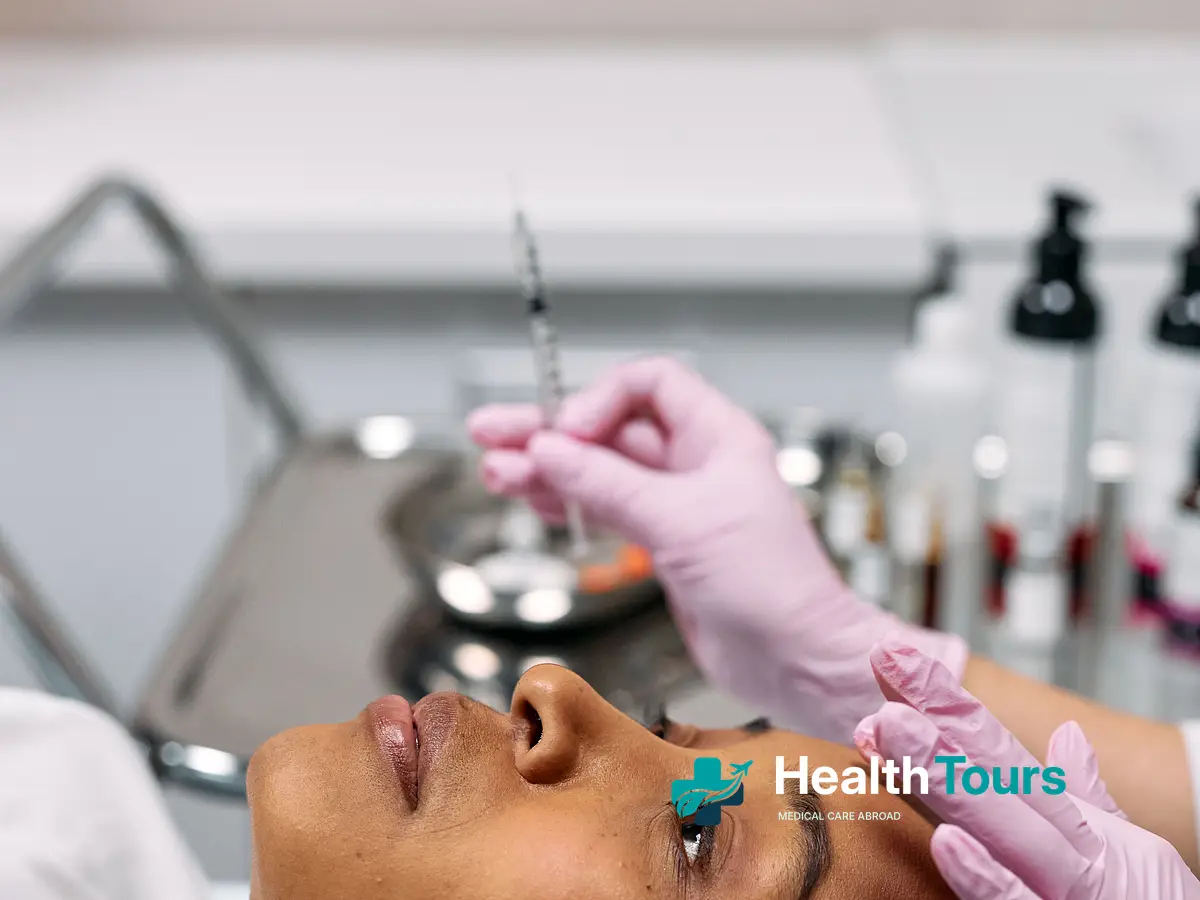

Blepharoplasty in Santo Domingo, Dominican Republic, is a specialized surgical procedure aimed at enhancing both the function and aesthetic appearance of the eyelids. This operation involves removing or repositioning excess skin, muscle, and fat to address common concerns such as sagging upper eyelids that may obstruct vision, puffiness or bags beneath the eyes, and eyelid laxity that can cause visual field impairment. Ideal candidates are generally healthy adults seeking improvements in eyelid contour and function; however, suitability depends on multiple factors including the absence of active eye surface diseases (like conjunctivitis), well-controlled systemic conditions such as diabetes or hypertension, and having realistic expectations regarding outcomes. Patients with uncontrolled medical conditions or certain eye diseases may be advised against surgery after thorough evaluation.
The pathway to blepharoplasty begins with a comprehensive preoperative consultation where a specialist reviews the patient's medical history, conducts a detailed ocular and eyelid examination, and discusses aesthetic and functional goals. This phase is critical for establishing candidacy and customizing the surgical plan to individual anatomy and concerns. Imaging or photographic documentation may be performed to aid surgical planning. Anesthesia options vary; smaller resections often use local anesthesia combined with sedation, while more extensive procedures might require general anesthesia. The choice balances patient comfort, surgical complexity, and safety considerations.
During surgery, incisions are meticulously placed within the natural creases or folds of the eyelids to camouflage scars effectively. Through these strategically positioned incisions, the surgeon removes or repositions redundant skin, muscles, and protruding fat pads, achieving a rejuvenated eyelid contour that enhances vision and appearance. Sutures used to close the incisions may be dissolvable or non-dissolvable, with the latter typically removed within 5 to 7 days postoperatively. The entire procedure duration depends on the extent of correction – procedures involving both upper and lower lids usually take longer.
Blepharoplasty Cost in Santo Domingo
The cost of blepharoplasty in Santo Domingo varies widely, influenced by factors such as the complexity of the procedure (upper eyelid only versus combined upper and lower eyelid surgery), anesthesia type, surgical facility fees, surgeon’s expertise, and whether adjunctive treatments are performed concurrently. Additionally, preoperative diagnostic tests and necessary postoperative follow-up visits contribute to the total cost. Because these variables differ per patient, it is essential to obtain a detailed and itemized cost estimate directly from the treating clinic or surgeon. This quotation should explicitly list what is included—such as anesthetic fees, surgical supplies, medication, preoperative consultations, and postoperative care—and what is excluded, such as lodging, airport transfers, or medications prescribed after discharge. Health Tours can assist prospective patients in requesting current cost breakdowns to facilitate informed decision-making.
Inclusions, Exclusions, and Travel Considerations
Typically, the surgical package encompasses initial and preoperative assessments, the surgical procedure itself, necessary anesthesia services, use of operating room and surgical materials, and immediate postoperative care including suture management and follow-up consultations to monitor healing progression. Postoperative medications such as antibiotic or anti-inflammatory eye drops or ointments are generally included but may vary based on the provider. It is advisable to clarify this beforehand.
Costs related to accommodation, airport transfers, ground transportation, or personal mobility during recovery are usually not included unless explicitly arranged as part of a comprehensive medical tourism package. Patients planning travel to Santo Domingo should independently organize lodging and local transport to ensure convenience and safety, especially in the crucial days following surgery.
Recovery and Aftercare
The recovery period following blepharoplasty commonly involves mild to moderate swelling and bruising around the eyes, which generally peaks within 48 to 72 hours and gradually subsides over one to two weeks. Patients are advised to use cold compresses during the initial phase to reduce edema and to manage mild discomfort with prescribed analgesics. Activities that increase blood pressure, such as strenuous exercise or heavy lifting, should be avoided for at least two weeks to minimize bleeding or swelling risks.
Protective measures include wearing dark sunglasses outdoors to shield healing tissues from sun exposure and wind irritation. Sleep with the head elevated to further reduce swelling. Sutures are removed in the clinic if non-dissolvable, typically within the first week after surgery. Full recovery varies individually but patients are often fit to resume normal social and work activities approximately 10 to 14 days postoperatively.
Travel plans should accommodate at least one or two follow-up visits to ensure proper wound healing and timely identification of any complications. Extended stays may be recommended depending on individual healing speed and proximity to the surgical center. Patients living abroad should arrange reliable local medical support for ongoing care upon return.
Risks, Alternatives, and Follow-Up
Like any surgical intervention, blepharoplasty carries inherent risks which patients must consider carefully. These include infection, postoperative bleeding, dry or irritated eyes, difficulty closing the eyelids completely (leading to corneal exposure), scarring, noticeable asymmetry, or rarely, changes in vision. It is imperative that patients discuss these potential complications thoroughly during consultation and understand the importance of strict postoperative adherence to surgeon instructions to minimize risks.
For individuals unsuitable for surgery or those seeking less invasive options, alternatives such as laser skin resurfacing, chemical peels, botulinum toxin injections (commonly known as Botox), or dermal fillers may improve the eyelid area's appearance by addressing skin texture, fine wrinkles, or volume loss. While these procedures do not correct functional vision issues caused by excess eyelid tissue, they may be appropriate for mild aesthetic concerns or as adjunct treatments.
Long-term outcomes of blepharoplasty can be very satisfactory, but aging processes continue, and some patients may require revision surgery years later to maintain aesthetic and functional benefits. Diligent follow-up care, whether with the surgical provider or a local ophthalmologist at home, is critical to monitor eyelid health and promptly manage any late complications.
For those interested in pursuing blepharoplasty in Santo Domingo, requesting a comprehensive, written treatment plan and cost estimate through platforms like Health Tours can help clarify clinical details and financial commitments. Open communication of personal health history, goals, and concerns fosters accurate surgical planning and realistic expectations, ultimately contributing to a safer and more satisfactory patient experience.
Frequently asked questions
Who is a suitable candidate for blepharoplasty in Santo Domingo?
Ideal candidates have excess upper eyelid skin or under-eye bags causing visual impairment or aesthetic concerns. Patients must not have active eye diseases, uncontrolled systemic illnesses, or psychological factors that may affect surgery outcomes. A thorough medical and ocular evaluation is necessary.
What are the main stages of blepharoplasty treatment?
Treatment includes preoperative assessment, anesthesia administration (local with sedation or general), precise incision placement along eyelid creases, removal or repositioning of excess tissues, and careful closure of incisions with sutures.
How can I obtain the cost of blepharoplasty in Santo Domingo?
Costs vary depending on clinical needs, anesthesia, facility fees, and post-surgical care. An itemized quote should be requested directly from the surgical provider or via Health Tours, detailing all included services and additional charges.
What is included and excluded in typical blepharoplasty packages?
Inclusive items often cover clinical evaluations, surgery, anesthesia, surgical materials, medications, and postoperative follow-ups. Accommodation and transportation usually are not included unless explicitly agreed upon.
What should I expect during recovery after blepharoplasty?
Recovery involves swelling, possible mild discomfort, and eye care with cold compresses and prescribed medications. Patients should avoid intense activities and sun exposure. Follow-up visits for suture removal and healing monitoring are required.
What are the key risks associated with blepharoplasty?
Risks include infection, bleeding, dry or irritated eyes, difficulty closing eyelids, scarring, asymmetry, temporary blurred vision, and infrequently, more severe complications. These should be discussed during surgical consultation.
Are there non-surgical alternatives to blepharoplasty?
Yes, options like laser skin resurfacing, chemical peels, botulinum toxin injections, and dermal fillers may improve mild eyelid concerns but do not replace surgical correction for significant excess tissue.
Can I arrange accommodation or transfers through the surgical clinic in Santo Domingo?
Accommodation and transport are not standard inclusions with blepharoplasty treatment. Patients should inquire separately and confirm arrangements with their clinic or intermediary before travel.
How important is follow-up care after blepharoplasty?
Follow-up assessments are essential for suture removal, monitoring healing, and identifying potential complications early. Coordinated aftercare ensures the best possible functional and aesthetic outcomes.
General information only. Confirm individualized benefits, risks, credentials and aftercare with the treating licensed professional.