
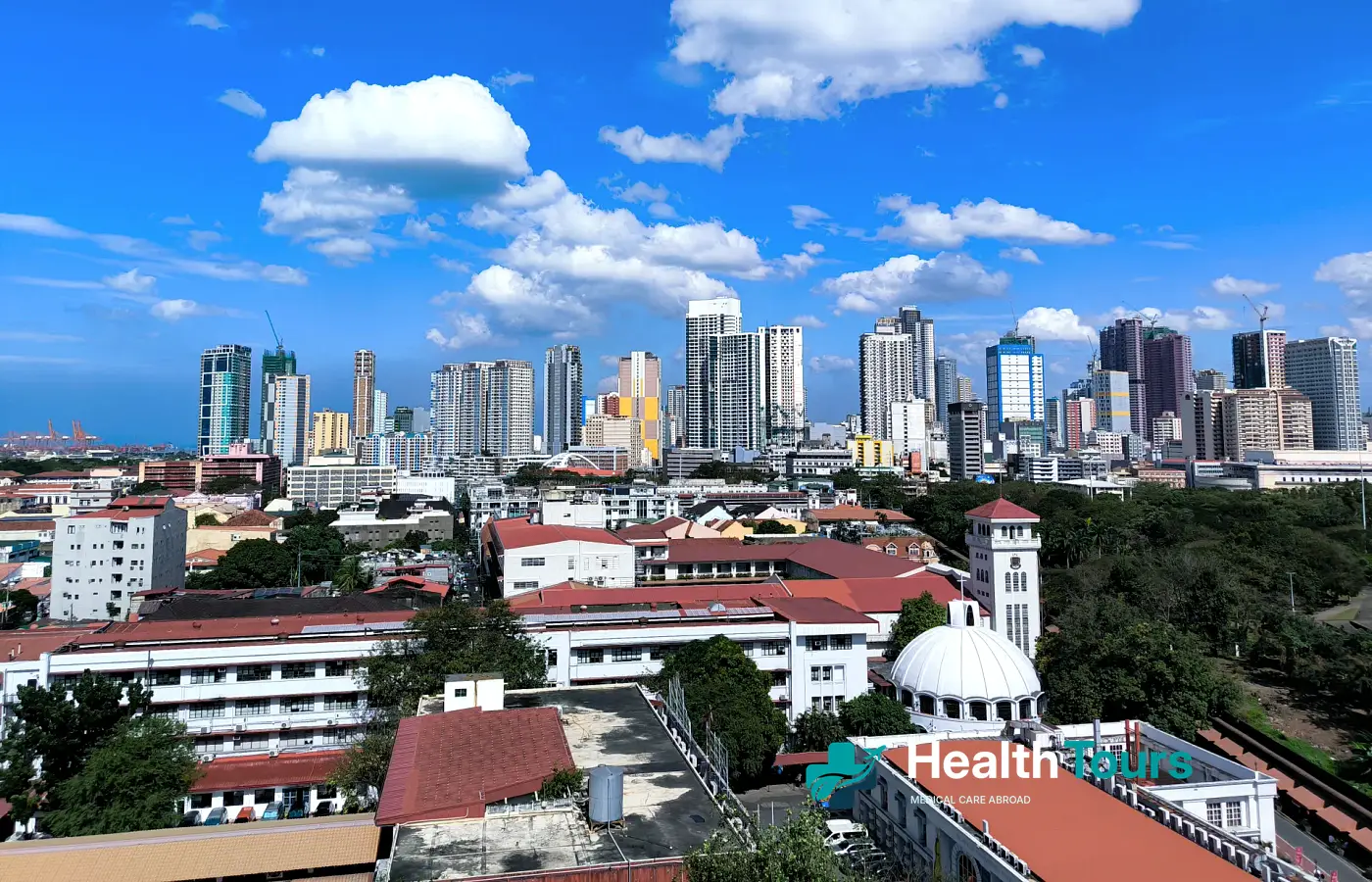



Medical tourism in Philippines
Compare treatment destinations using practical information about care and travel. Our team can help you prepare questions and request provider information where available. A licensed clinician must confirm treatment suitability.
Healthcare Context and Official Regulations
The Philippine government oversees medical tourism through the Department of Tourism (DOT), Department of Health (DOH), and the Philippine Health Insurance Corporation (PhilHealth). The DOT accredits facilities demonstrating adherence to international standards, with prominent hospitals such as St. Luke's Medical Center recognized for their quality services. Many private hospitals hosting medical tourists hold International Organization for Standardization (ISO) certification or Joint Commission International (JCI) accreditation, indicating compliance with global benchmarks in hygiene, patient safety, and treatment quality. These regulatory measures aim to ensure medical tourists receive medically appropriate and safe services.
Major Treatment Destinations and Travel Considerations
Metro Manila is the main hub for specialized healthcare services, supported by modern infrastructures and multiple accredited private hospitals offering a range of treatments. Cebu and Davao offer additional options with facilities capable of advanced medical care, often attracting international patients due to regional accessibility.
Travelers typically arrive via the Ninoy Aquino International Airport (Manila), Mactan-Cebu International Airport (Cebu), or Francisco Bangoy International Airport (Davao). Ground transportation, private transfers, and accommodation arrangements are generally arranged separately from medical services and should be confirmed through direct communication with service providers or travel coordinators. Patients should consider time zones, possible multiple visits for treatment stages, and follow-up care needs when planning travel.
Cost Variability, Provider Verification, and Continuity of Care
Treatment costs in the Philippines are often lower than in many Western countries, but prices vary significantly by city, hospital, procedure complexity, and medical technologies employed. Obtaining a detailed, itemized quotation from the provider is essential to understand exactly what is included or excluded. Written quotes must specify whether diagnostic tests, hospital stays, anesthesia, medication, postoperative care, and consultations are part of the package.
Verifying the professional licensure of doctors and the accreditation status of hospitals is a key step for patient safety. Publicly available government and accreditation bodies’ databases can assist in this verification. Continuity of care is critical, so patients should confirm protocols for post-treatment follow-up, including remote consultations if ongoing monitoring is required after returning home. Some hospitals collaborate with rehabilitation centers to support patient recovery.
Making Informed Medical Travel Decisions
Patients considering medical tourism in the Philippines are advised to research the specific clinical suitability of treatments, evaluating risks and expected recovery times. Coordination with licensed clinicians both locally and at home is important for pre-travel assessment and postoperative management.
Travelers should inquire about visa requirements, valid health documentation, and insurance coverage relevant to medical travel. As medical tourism offerings evolve, maintaining communication with providers about any changes or new regulations is recommended.
For personalized assistance in planning and coordinating medical travel to the Philippines, contacting specialized services such as Health Tours can provide practical information on options without obligation or preauthorization.

