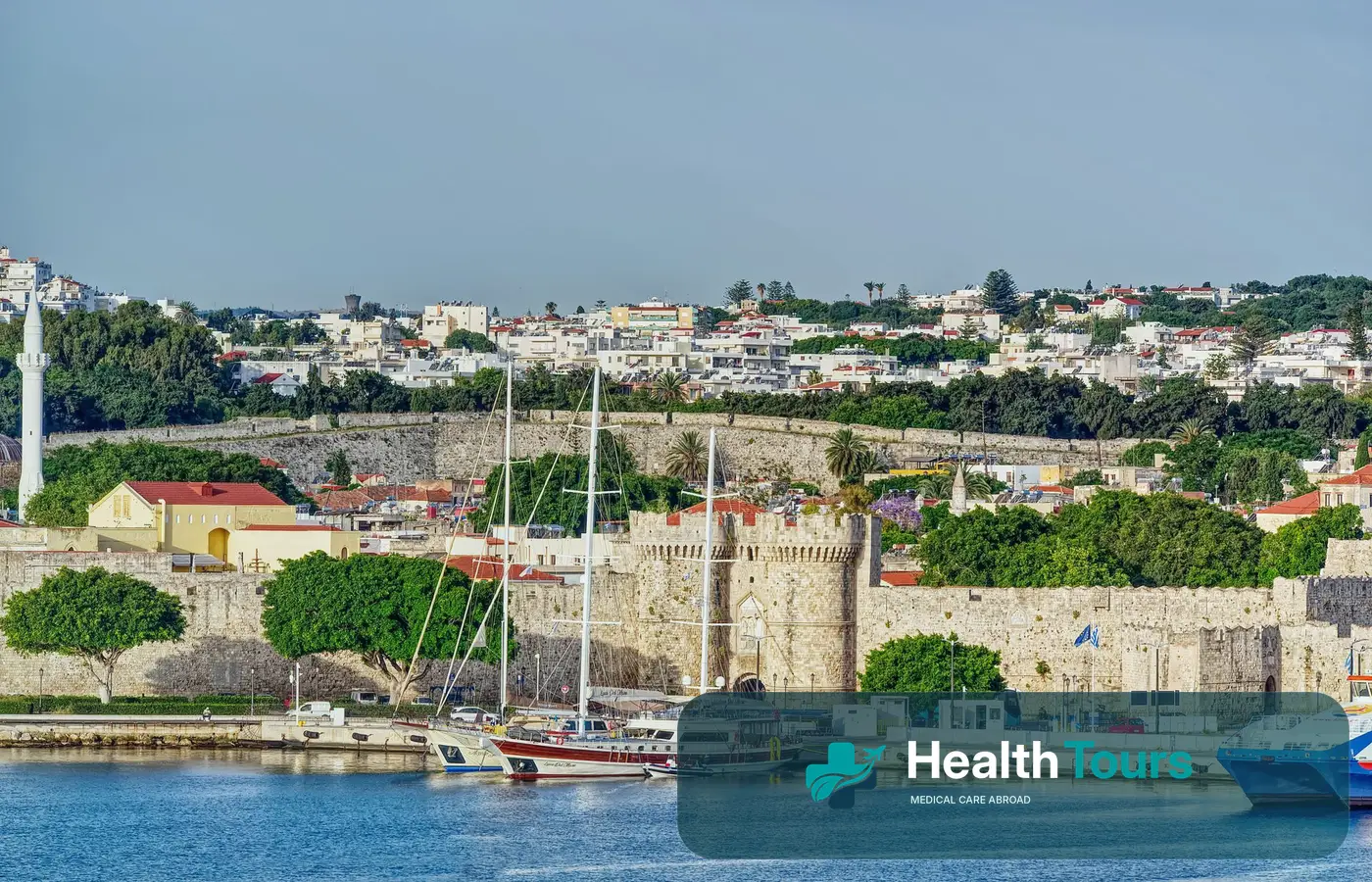





Medical tourism in Greece
Compare treatment destinations using practical information about care and travel. Our team can help you prepare questions and request provider information where available. A licensed clinician must confirm treatment suitability.
Healthcare Context and Official Regulations
Greece's healthcare services are overseen by the Ministry of Health, which licenses hospitals and clinics to ensure compliance with nationally defined safety and quality standards. The Agency for Quality Assurance in Health, established in 2020, further develops patient safety frameworks and quality metrics for these institutions. The Panhellenic Medical Association regulates practicing physicians by enforcing clinical standards and medical ethics. These bodies collectively maintain transparency and accountability in healthcare delivery, critical for patients seeking treatment in Greece.
Major Treatment Destinations and Travel Considerations
Many medical tourists choose Greek cities such as Athens, Thessaloniki, Heraklion, and Patras, where advanced medical infrastructure and expertise are concentrated. Facilities like those operated by Athens Medical Group specialize in areas including neurosurgery, oncology, and robotic surgery. For patients desiring recovery in serene settings, islands like Crete, Aegina, and Santorini offer access to quality medical care alongside a tranquil environment conducive to recuperation.
Travel logistics to Greece depend on one's point of origin. Athens International Airport is the primary gateway with multiple international connections. Thessaloniki and Heraklion airports also receive international flights but with more limited schedules. Availability of accommodation, including hotels near medical facilities, varies and should be confirmed separately with providers or travel services. Private transport or airport transfers are typically additional arrangements and not standard inclusions in medical treatment packages.
Cost Variability, Provider Checks and Continuity of Care
Medical treatment costs in Greece generally tend to be lower than in many Western countries without a corresponding reduction in quality, thanks to the regulated and accredited healthcare system. For example, in vitro fertilization (IVF) treatment prices in Greece have been observed to be significantly lower in third-party reports compared to Western Europe or the USA, though official quotes must be requested for current pricing. Variations in cost depend on the procedure’s complexity, facility accreditation, materials used, and whether inpatient or outpatient services are involved.
Patients should ensure that chosen providers have appropriate international accreditations and comply with European Union health directives. Many Greek hospitals offer multidisciplinary care teams and English-speaking staff to accommodate foreign patients. Importantly, treatment continuity is emphasized through coordination with patients' home country physicians for follow-up care and long-term management. Translation services and assistance with logistical planning may be available but should be confirmed in advance.
In summary, Greece's medical tourism environment combines robust regulation, skilled clinicians, and diverse treatment locations. Before committing to a provider or treatment, prospective patients should obtain detailed written treatment quotes outlining included and excluded services, ask about travel and accommodation options, and confirm communication protocols for follow-up care. Consulting experienced coordinators like Health Tours can assist in gathering this practical information tailored to individual needs.